Case study · Voluntary Inclusionary Housing + 421-a(16) · Naftali Group · 2025–ongoing
The project
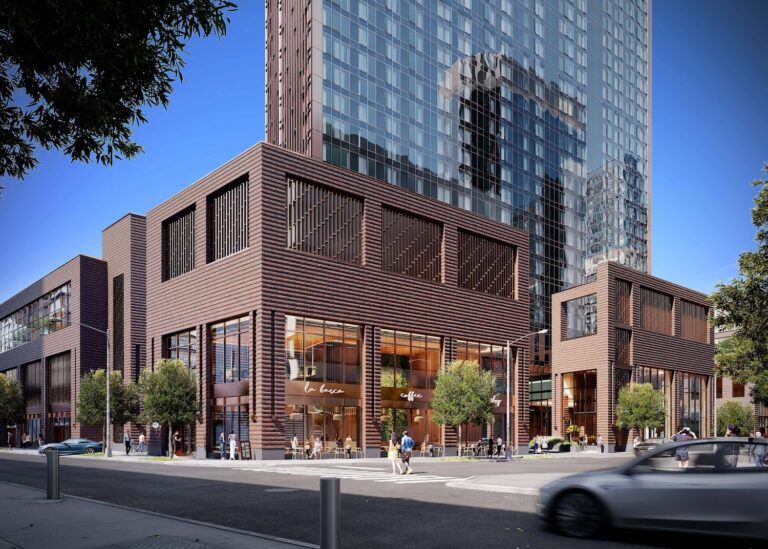
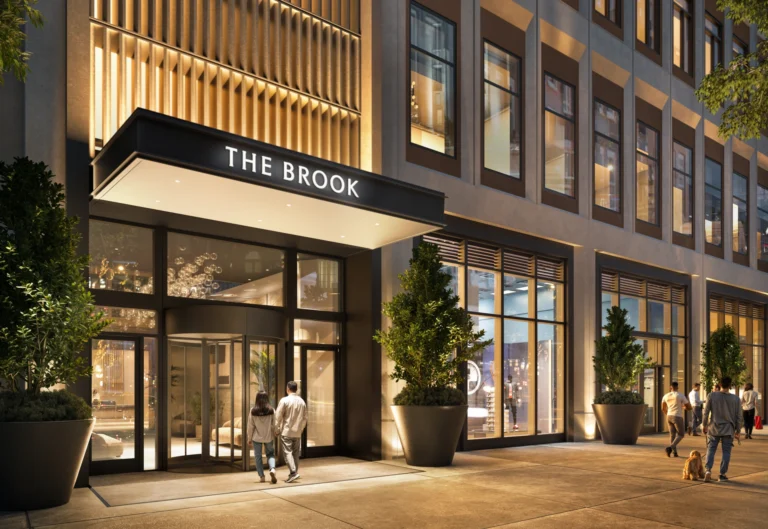
Williamsburg Wharf is a multi-phase waterfront development in Williamsburg, Brooklyn, Naftali Group’s first major waterfront project in the borough. The development comprises three residential towers sharing a riverside promenade and an extensive green space program, with the goal of activating the South Williamsburg waterfront with a resort-scale urban living experience.
The regulatory structure of Williamsburg Wharf is its defining complexity. Two of the three towers use Voluntary Inclusionary Housing, delivering 80% AMI affordable units through the VIH framework. The third tower uses stand-alone 421-a(16) — one of the last-generation 421-a projects — and delivers 130% AMI affordable units through that program.
The challenge
Three towers, three programs, three marketing strategies — all on overlapping timelines. 80% AMI and 130% AMI lotteries target materially different applicant pools. 80% AMI draws on the traditional affordable housing applicant base, with broad demand and applicants already active on Housing Connect. 130% AMI requires active outreach to households that may not know they qualify for affordable housing at all.
The regulatory stack was equally complex. VIH compliance, 421-a(16) compliance, and their intersections with Housing Connect marketing rules created an unusually dense set of agency touchpoints — on a schedule where Naftali Group needed to minimize red-tape delays before marketing could begin.
The execution
For the 130% AMI component, Regtime’s team collaborated with Naftali Group’s brand marketing team to build a dedicated landing page that matched the tower’s overall design and visual language — treating the affordable lottery as a brand-consistent extension of the development’s marketing, rather than a separate agency-required exercise.
Advertising launched in February 2025, calibrated to cultivate leads from qualified applicants beyond the standard Housing Connect user base. The campaign was built to reach households at 130% AMI who likely had not considered affordable housing before and needed educational content to act on the opportunity.
On the regulatory side, Regtime organized responses to several Inclusionary Housing compliance questions in parallel with the developer’s team, allowing the VIH towers to move through HPD review without the sequential delays that multi-tower projects often encounter.
The outcomes
Phase 1 opened in 2025. Williamsburg Wharf’s 130% AMI lottery launched in November 2025 and closed January 23, 2026. Phase 2 marketing continues as of the time of writing. The project’s client-centered reporting structure and comprehensive program-by-program compliance tracking have kept simultaneous absorption across three towers on schedule.
What this project established
Multi-phase, multi-program projects are now common in New York City. Williamsburg Wharf demonstrates how to execute them without forcing a single campaign strategy on incompatible affordability tiers. Separate landing pages, separate ad strategies, and separate applicant pipelines — managed through a single client portal — produces better lease-up outcomes than attempting to unify the marketing across programs.